
WHY CHOLESTEROL MATTERS AS MUCH AS WE SAY IT DOES
Welcome — and thank you for being here. Whether you are reading this
for yourself, a spouse, a parent, or a child, you are doing something
that matters: investing time in understanding your health before a
crisis happens. That is what preventive medicine is all about, and it
is what we are here for.
In March 2026, the American College of Cardiology and the American
Heart Association — along with nine other major medical organizations
— released the first updated national cholesterol guidelines since
- These changes affect nearly every adult in the United States.
Here is what you need to know.
WHY CHOLESTEROL MATTERS AS MUCH AS WE SAY IT DOES
Heart disease is still the number one cause of death in the United
States. And roughly 1 in 4 American adults has elevated LDL
cholesterol — the “bad” kind that slowly builds up inside artery
walls over decades.
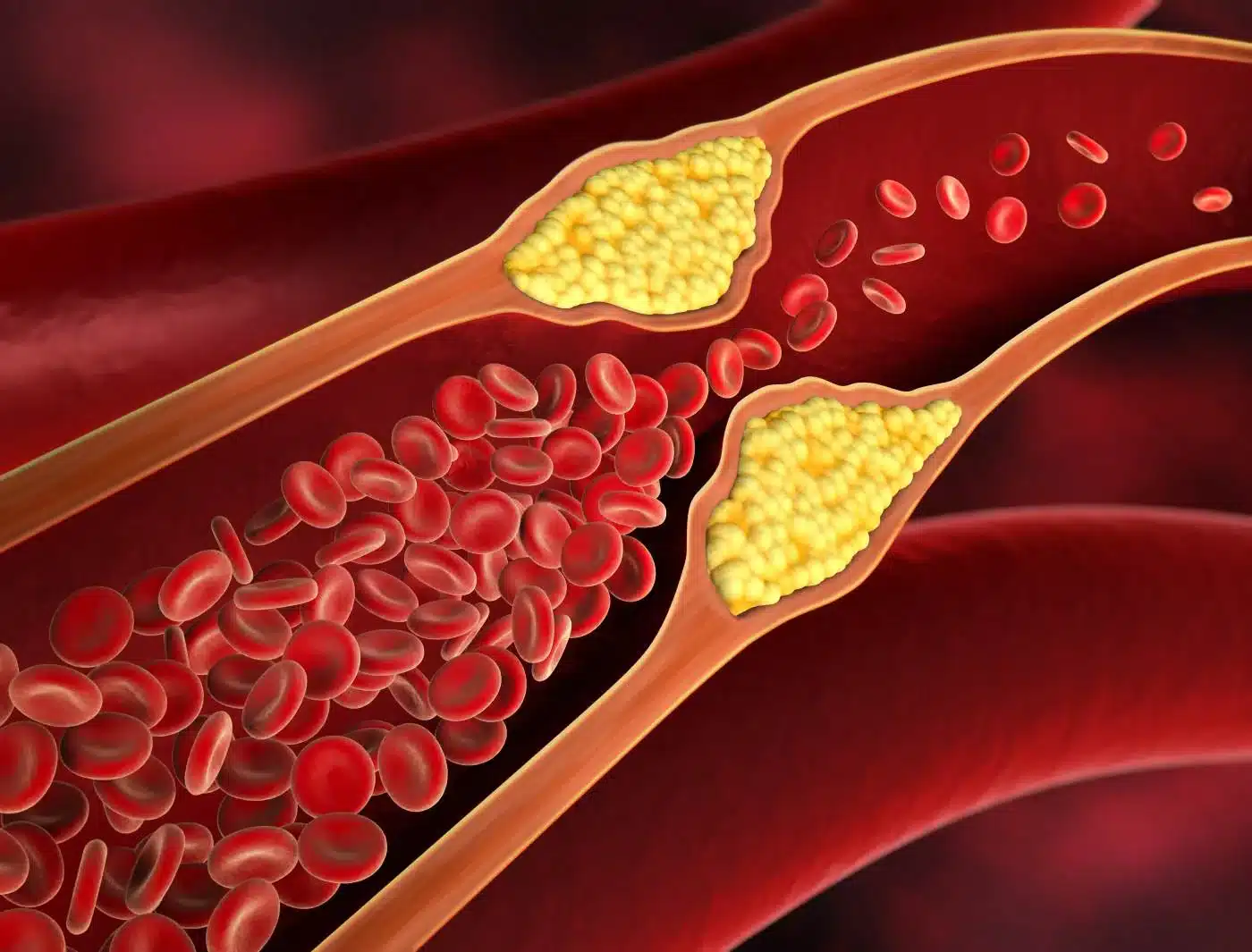
Think of it like mineral deposits building up in a pipe. A small
amount in your 30s may not cause symptoms. But it does not go away on
its own. By your 50s or 60s, that buildup has been collecting for
decades. A heart attack or stroke often feels sudden to the person
experiencing it — but the process behind it started years, sometimes
decades, earlier. The good news: 80% or more of cardiovascular
disease is preventable. Cholesterol is one of the biggest levers we
have to pull.
WHAT IS NEW IN THE 2026 GUIDELINES
- MORE CLEAR CHOLESTEROL TARGETS
The new guidelines restore specific LDL (“bad cholesterol”) goals
based on your individual risk level:
- Low to borderline risk: LDL goal < 100 mg/dL
- Intermediate or high risk: LDL goal < 70 mg/dL
- Prior heart attack/stroke: LDL goal < 55 mg/dL
The bottom line: lower is better, and the higher your risk, the
lower we want your number.
- A SMARTER RISK CALCULATOR
For over a decade, doctors used an older tool called the Pooled
Cohort Equations to estimate 10-year heart attack and stroke risk.
The problem? It consistently overestimated risk — sometimes by
40-50%. Some patients were being recommended medication they may
not have needed, while others with real risk were missed.
The new guidelines now use the PREVENT score (Predicting Risk of
Cardiovascular Disease Events). PREVENT was built on more modern,
more diverse patient data. It removes race as a variable — since
race is a social construct, not a biological risk factor — and
accounts for things like kidney health and neighborhood-level
social stressors that genuinely affect heart disease risk. It can
also estimate your 30-year risk, not just 10-year — which matters
a great deal for younger patients who still have time to change
their trajectory.
- LP(a): THE CHOLESTEROL NUMBER YOU HAVE PROBABLY NOT HEARD OF
Your standard cholesterol panel does not tell the whole story.
There is a particle called lipoprotein(a) — or Lp(a), pronounced
“L-P-little-a” — that can significantly raise your risk of heart
disease, stroke, and aortic stenosis, independent of your regular LDL.
You can have a perfectly normal cholesterol panel and still carry
a dangerously elevated Lp(a).
Lp(a) is largely determined by your genetics, not your diet or
lifestyle. The new guidelines now recommend that every adult be
tested for Lp(a) at least once in their lifetime.
We offer Lp(a) testing at our clinic for under $10 out of pocket.
It is a single blood test, most people only need it once, and it
could genuinely change how we assess your heart risk — especially
if you have a family history of heart disease or have had a cardiac
event despite “normal” cholesterol.
- START EARLIER
The new guidelines push for earlier action. High cholesterol begins
affecting your arteries in adolescence, not just middle age.
Treatment may now be considered for adults as young as 30 who have
high long-term risk — and earlier screening is recommended for
children with a family history of heart disease. If a parent or
sibling had a heart attack before age 55 (men) or 65 (women),
please make sure we know that.
LIFESTYLE: IT MATTERS MORE THAN YOU MIGHT THINK
The guidelines make one thing crystal clear: lifestyle is the
foundation. Before any conversation about medication, we talk about
habits — because the evidence behind them is real.
A heart-healthy diet (think a plant-predominant diet that we advocate — plenty
of vegetables, fruits, whole grains, legumes) can
lower LDL by 10-30% on its own for many people. Regular physical
activity — even 30 minutes of brisk walking most days — raises your
good cholesterol, lowers triglycerides, and protects your heart.
Quitting smoking, improving sleep, and managing weight all play
meaningful roles too.
We will be honest with you: swapping the sausage, egg, and cheese
biscuit for oats and blueberries most mornings is not a punishment —
it is one of the most powerful things you can do for your future.
Small, consistent choices compound over time the same way plaque
does. The difference is which direction you want things going.
Now — what if lifestyle changes are not enough? That is NOT a personal
failure. Genetics plays a huge role in how your body produces and
processes cholesterol. Some people do everything right and still need
medication to reach a safe number. That is okay, and that is what we
are here to help with. But here is the important part: even if you do
need medication, your lifestyle habits are still doing critical work.
They reduce blood pressure, control blood sugar, lower inflammation,
support healthy weight, improve sleep, and reduce your risk of
diabetes, cancer, dementia, and depression. A medication handles the
cholesterol number. Your daily habits shape everything else.
YOUR ACTION ITEMS
Here is what we would ask you to think about and bring up at your
next appointment:
GET YOUR LABS DONE — If you have not had a cholesterol panel in
the past year, let’s get one scheduled. Routine lipid testing is
the only way to know where you stand. You cannot manage what you
do not measure.
ASK ABOUT LP(a) — If you have never been tested for Lp(a), ask us
about adding it to your next lab order. It is under $10, you only
need it once, and it could tell us something important about your
risk that your regular cholesterol panel never would.
CONTROL WHAT YOU CAN — Blood pressure, blood sugar, weight,
smoking, sleep — these are all part of your cardiovascular risk
picture. If any of these are not where they should be, let’s make
a plan together. One well-controlled risk factor can make a
significant difference in your overall trajectory.
MAKE A REAL COMMITMENT TO LIFESTYLE — This does not mean
perfection. It means most days, most meals, moving in the right
direction. More vegetables, less processed food. More movement,
less sitting. Better sleep. Less stress where possible. These
choices add up — and they matter whether or not you are on
medication.
We are honored to be your partners in this. Heart disease is largely
preventable, and we have better tools now than ever before to catch
risk early and address it personally. If you have questions about how
the new guidelines apply to your specific situation, please bring them
to your next visit. No question is too small when it comes to your
heart.
To your health —
Dr. Kaitlyn Newman at Verity Medicine